
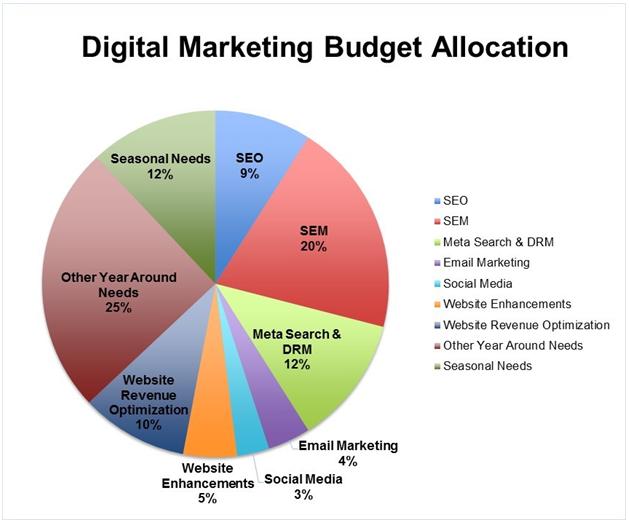
Digital marketing has become an essential part of growing a business online. Whether you run a small business, startup, or established company, the right digital marketing strategy can help you reach potential customers, increase brand visibility, and build a stronger online presence.
However, one of the most common questions businesses ask is: How much does digital marketing cost?
The answer varies depending on several factors, such as your business goals, target audience, competition, marketing channels, and the services you require. Therefore, understanding these factors can help you create a realistic and effective marketing budget.
What Is the Average Cost of Digital Marketing?
There is no fixed price for digital marketing because every business has different needs and objectives. In India, digital marketing services for small businesses can range from a few thousand rupees per month to much higher investments for comprehensive campaigns.
For example, a small business may begin with services such as SEO, social media marketing, content creation, or paid advertising. As the business grows, it may require additional services and a larger marketing budget.
Therefore, instead of choosing a service simply because it is inexpensive, it is better to consider the value it can provide and how well it supports your business goals.
What Factors Affect Digital Marketing Cost?
Several factors can influence the overall cost of a digital marketing campaign. Understanding these elements can help you determine where your budget should be allocated.
1. Type of Digital Marketing Service
Different digital marketing services require different levels of time, expertise, and resources.
Some commonly used services include:
- Search Engine Optimization (SEO)
- Social media marketing
- Google Ads and paid advertising
- Content marketing
- Website design and development
- Email marketing
- Branding and online reputation management
For instance, SEO generally requires ongoing optimization, keyword research, and content development. In contrast, paid advertising involves both campaign management and a separate advertising budget.
2. Business Goals
Your marketing budget also depends on what you want to achieve.
If your primary goal is to increase organic website traffic, SEO and content marketing may be suitable choices. On the other hand, businesses looking for faster leads or sales may benefit from paid advertising.
As a result, clearly defining your objectives can help you choose the right channels and use your budget more effectively.
3. Target Audience
Your target audience can also influence the cost of digital marketing.
For example, a local business targeting customers in one city may require a smaller budget than a company trying to reach customers across multiple regions. In addition, reaching a highly specific or competitive audience may require more research, testing, and advertising investment.
Consequently, understanding your ideal customers before starting a campaign can help you make better marketing decisions.
4. Competition
Competition is another important factor that can affect digital marketing costs.
If many businesses are targeting the same keywords, products, or audience, achieving visibility may require more time and resources. For example, ranking for highly competitive keywords through SEO can take longer than ranking for less competitive search terms.
Therefore, analysing your competitors can help you understand the level of effort and investment required to compete effectively.
Digital Marketing Cost for Small Businesses
Small businesses do not necessarily need to spend a large amount of money on digital marketing. Instead, they can begin with the channels that are most relevant to their customers and business goals.
A small business may focus on:
- Local SEO
- Google Business Profile optimization
- Social media marketing
- Website optimization
- Content marketing
- Targeted paid advertising
Starting with a focused strategy allows businesses to manage their budget more effectively. Moreover, as the business gains more customers and generates better results, the marketing investment can gradually increase.
Is Digital Marketing Worth the Investment?
Yes, digital marketing can be a valuable investment when it is planned and managed properly.
Unlike many traditional marketing methods, digital marketing provides access to measurable data. Businesses can track website visits, clicks, leads, conversions, engagement, and other performance indicators.
Furthermore, marketers can analyse campaign results and make adjustments based on real data. This makes it easier to identify which strategies are working and where improvements are needed.
For example, SEO can help generate organic traffic over time, while paid advertising can provide faster opportunities to reach potential customers. Combining the right strategies can create both short-term and long-term growth opportunities.
How to Choose the Right Digital Marketing Budget
Instead of asking only “How much does digital marketing cost?”, businesses should also consider the following questions:
- What are my business goals?
- Who is my target audience?
- Which platforms do my customers use?
- Which digital marketing services does my business need?
- How much can I invest consistently?
- How will I measure the results?
Once these questions are answered, you can create a marketing budget that fits your business requirements and objectives.
It is also important to review your results regularly. If a particular strategy is producing positive results, you can consider increasing your investment. Similarly, underperforming campaigns can be adjusted or replaced.
Final Thoughts
The cost of digital marketing depends on several factors, including your business goals, competition, target audience, services, and overall marketing strategy. As a result, there is no single price that works for every business.
For small businesses, starting with a focused and well-planned strategy can be a practical approach. As your online presence and customer base grow, you can gradually expand your marketing activities and investment.
Ultimately, digital marketing should be viewed as an investment in business growth rather than simply an expense. With the right strategy, consistent effort, and proper performance tracking, your digital marketing budget can help you attract potential customers, strengthen your online presence, and achieve sustainable business growth.